“The future of our region is shaped by every state of Central Asia. A solid foundation and a guarantee of its sustainable development and prosperity lie in the readiness and sincere desire for cooperation, as well as in the shared responsibility of all Central Asian nations for their common future. Our main goal is to jointly turn Central Asia into a stable, economically developed, and prosperous region.” These words, spoken by President of Uzbekistan Shavkat Mirziyoyev back in 2017, resonate with particular significance today.
The consultative meetings of Central Asian heads of state are gradually becoming a key mechanism for developing common approaches to regional economic development. Uzbekistan acts as an active initiator of integration processes aimed at strengthening mutual trade, developing industrial cooperation, and creating sustainable transport and logistics chains. Today, the region is shifting from political dialogue to practical partnership based on investment, innovation, and industrialization.
Consistent efforts to harmonize the legal framework, remove barriers, and establish unified industrial standards open new opportunities for attracting capital and implementing joint projects in energy, engineering, agriculture, and manufacturing sectors.
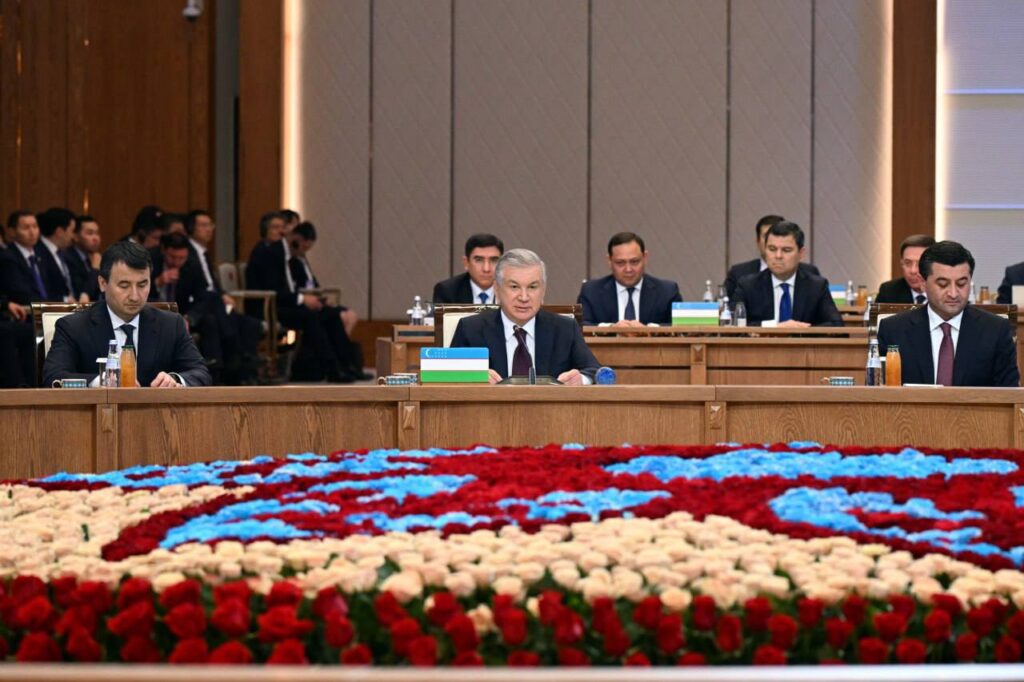
On 15–16 November 2025, Tashkent is hosting the 7th Consultative Meeting of the Heads of State of Central Asia — an event marking a new stage in deepening regional cooperation and strengthening strategic partnership.
The agenda covers not only issues of economic integration, environmental sustainability and transport connectivity, but also one of the key priorities — cooperation in the labour market and the development of human capital.
Modern relations between Uzbekistan and Kazakhstan exemplify stable and dynamic cooperation, where political dialogue is organically complemented by concrete projects in trade, investment, and industry. Today, this partnership goes far beyond the bilateral agenda, becoming a key link in shaping a common economic space in Central Asia.
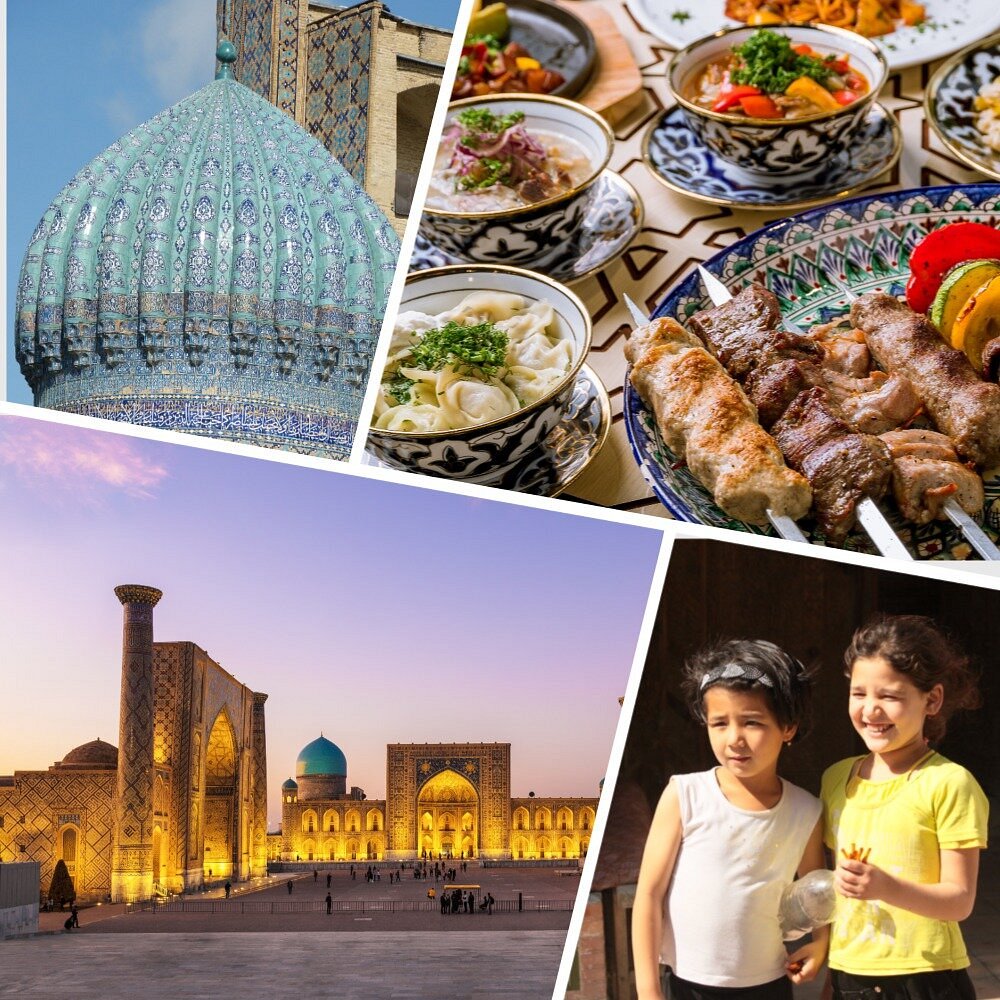
Cooperation between the Republic of Uzbekistan and the Republic of Kazakhstan in tourism is an important direction of bilateral relations and holds a special place within the broader framework of cultural and humanitarian ties between the two neighboring countries. Geographic proximity, a shared historical and cultural foundation, and the rich heritage of the Great Silk Road create favorable conditions for developing tourism interaction and strengthening friendly relations between the peoples.
Tourism is one of the key areas of regional cooperation in Central Asia, contributing to the strengthening of economic and cultural ties among neighboring countries. The Republic of Uzbekistan, with its rich historical and cultural heritage, ancient monuments of the Great Silk Road, and modern infrastructure, plays a central role in the development of this sector. In recent years, tourist contacts with Kazakhstan, Kyrgyzstan, Tajikistan, and Turkmenistan have been actively expanding, laying the groundwork for the formation of a unified regional tourism space.
The foreign policy of modern Uzbekistan is focused on taking concrete measures to further strengthen mutually beneficial cooperation and long-term multilateral partnerships with all countries worldwide.
In particular, our country's relations with the countries of Central Asia, which have ancient and common historical roots, have reached a new level.
Today one of the priority directions of Uzbekistan’s foreign policy is the expansion of strategic partnerships and the exchange of modern knowledge and scientific innovations. In this process, cooperation with the United States–especially in higher education, science, and innovation–is reaching a new level.
Under the leadership of President Shavkat Mirziyoyev, the reforms implemented in education, the state policy aimed at human capital development, and the integrated “education–science–innovation” system have positioned Uzbekistan as an attractive partner on the international stage. Moreover, the C5+1 format between Central Asia and the United States is opening new opportunities for regional cooperation. Within this framework, Uzbekistan’s collaboration with American universities is already producing practical results not only in education but also in science, technology, and innovation.
Uzbekistan’s trade relations with the United States have shown steady expansion over the past decade. In 2024, Uzbekistan exported 1 million worth of goods to the U.S. – a tenfold increase compared to 2014 (.4 million). The share of the U.S. in Uzbekistan’s total exports rose from 0.3% in 2014 to 1.6% in 2024, reflecting gradual diversification toward high-value markets.