Throughout the year, the business climate remained in positive territory, with an annual average of 57 points, indicating an overall favorable business environment in Uzbekistan.
The First Deputy Director of the Institute for Strategic and Regional Studies under the President of the Republic of Uzbekistan Akramjon Nematov shared this assessment, commenting on the results of President of the Republic of Uzbekistan Shavkat Mirziyoyev's visit to Turkiye.
On 23 January, under the chairmanship of the President of the Republic of Uzbekistan, a videoconference meeting was held on the key tasks of poverty reduction and employment provision for 2026. In terms of both substance and the framing of issues, the meeting marked a turning point in the evolution of the country’s social policy.
Uzbekistan - 2030” strategy, adopted on 11 September 2023, identifies sustainable economic growth, the establishment of modern education, healthcare and social protection systems, creation of favorable environmental conditions, building a just and modern state and guaranteed national sovereignty and security as its priority areas.
Uzbekistan and Pakistan are located within a single geo-economic space encompassing Central and South Asia, said Chief Research Fellow of the Institute for Strategic and Regional Studies under the President of the Republic of Uzbekistan (ISRS) Umarbek Nuriddinov, speaking on January 23 at the roundtable discussion titled “Uzbekistan–Pakistan: Building Links between Regions and Creating New Opportunities”.
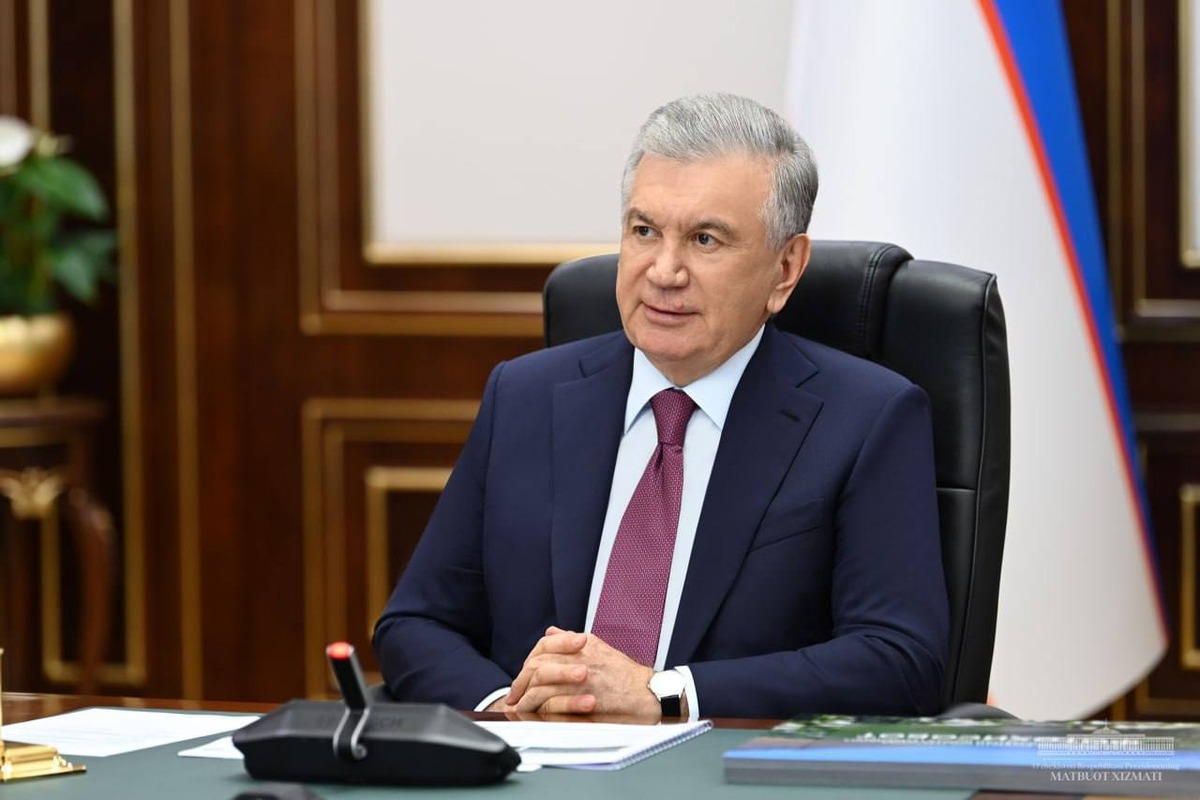
Bakhtiyor Mustafayev: The visit of the President of Uzbekistan to Switzerland has set a new strategic trajectory for the country’s development
Uzbekistan reserves the right to protect certain sectors of the economy in accordance with WTO agreements
Key events included an expanded meeting of the Security Council chaired by President Shavkat Mirziyoyev, a tour of the defense industry's production facilities, and the head of state's address to military personnel and compatriots
Uzbekistan’s 2030 Strategy is the country’s principal framework for medium- and long-term development. It provides strategic direction for public policy, institutional reform, and socio-economic transformation, while embedding principles of continuity, predictability, and long-term planning at the core of state governance. Since its adoption, the strategy has served as a foundational reference point for the reform agenda, shaping what is often referred to as “New Uzbekistan.”
.jpg)
The President’s Address to the Oliy Majlis and the people of Uzbekistan constitutes not merely an agenda for the next stage of reforms, but a strategic framework for the country’s future development.