Located at the heart of the Silk Roads, Uzbekistan has been a major historical, cultural, and commercial crossroads for thousands of years, connecting the civilizations of East and West.
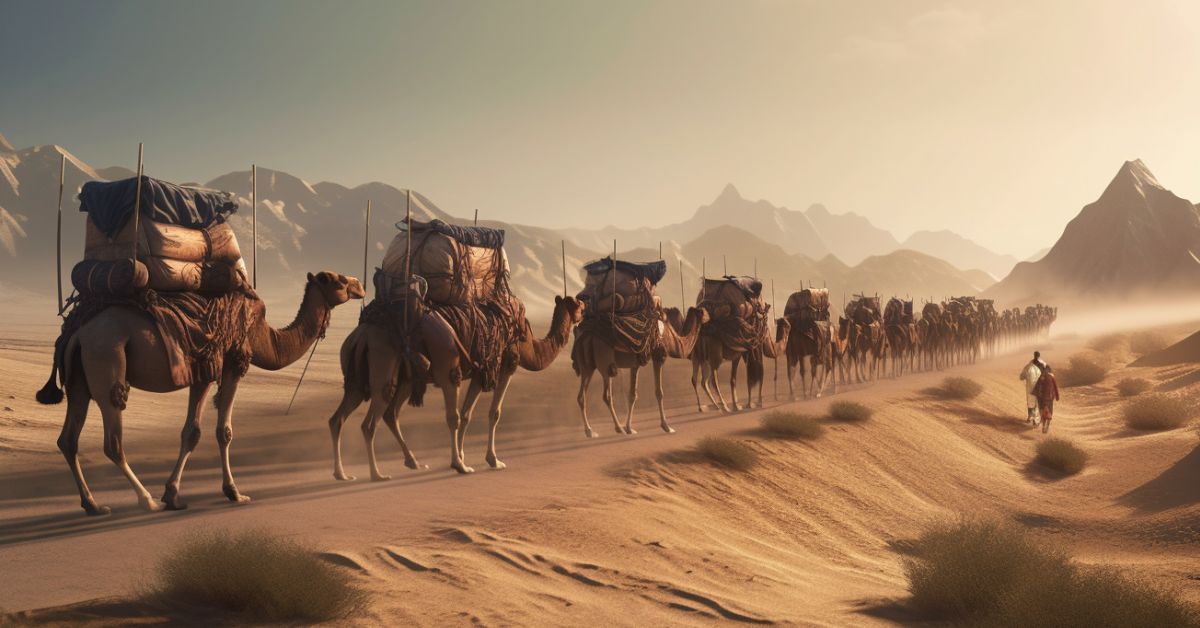
Ancient caravan routes crossing its territory enabled the exchange not only of silk, spices, precious metals, and handicrafts but also of knowledge, science, religions, art, architecture, and technologies. As a result, Uzbekistan became a meeting point of diverse cultures and civilizations.
The historic cities of Samarkand, Bukhara, Khiva, and Shahrisabz are among the finest examples of the Silk Roads' rich legacy. Their magnificent mosques, madrasas, caravanserais, and traditional markets reflect centuries of cultural interaction and are recognized as UNESCO World Heritage Sites.
UNESCO’s Silk Roads Programme promotes international cooperation in preserving the shared cultural heritage of the Silk Roads, encouraging academic research, intercultural dialogue, education, and sustainable tourism. As an active participant in the programme, Uzbekistan continues to protect and promote its unique historical monuments while strengthening cultural ties with countries connected by the ancient Silk Roads.